Pass mark: 75% (15/20) plus all 5 Australian values questions correct.
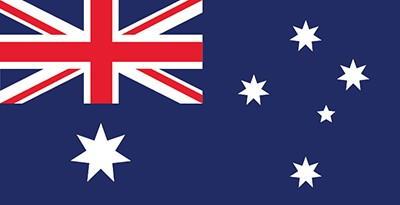
Where is the Southern Cross located on the Australian National Flag?
In Aboriginal or Torres Strait Islander cultures, what is usually the first item to open an event?
How was the problem of the convicts in Britain solved?
What are the laws regarding divorce in Australia?
In Australia, who must enrol to vote in federal, state, and territory elections?
Who were the first non-European people to come to Australia?
What should a person in Australia do if they see or have knowledge of a child being abused?
The Acknowledgement of Country usually delivered as part of:
What do the seven points of the Commonwealth Star on the Australian National Flag represent?
Which of the following are icons of South Australia?
What happens if you do not vote in an election without a good reason?
When do Australians celebrate Australia Day?
Where are the Australian of the Year Awards announced?
What does the yellow circle on the Australian Aboriginal Flag represent?
What do Australian laws say about discrimination?
What are Australian values based on?
Where did the Australian and New Zealand Army Corps land during World War I?
Where does the power of the Australian government come from?
What does the Rule of Law mean in Australia?
What does a ‘fair go’ mean in Australian society?
Not enough to pass :-(
You have answered 0 correct out of 20 question(s).
Question: {counter}
{question}
- {options}
Becoming an Australian citizen is a significant milestone, and the Australian citizenship test is a key part of this journey. The citizenship test is designed to ensure that applicants understand Australia’s history, democratic principles, and the responsibilities and privileges that come with citizenship. Understanding Australia's democratic beliefs and Australia's system is especially important, as these are key areas assessed in the test. This computer-based test consists of 20 multiple-choice questions, with a strong focus on Australian values. The test specifically covers Australia's democratic beliefs, rights and liberties as a core section. To pass, you must answer all five Australian values questions correctly and achieve at least 75% overall. Preparation is essential, and the official resource booklet, ‘Our Common Bond’, provides all the information you need to study for the test. By familiarizing yourself with the test format and content, you can approach your citizenship test with confidence and increase your chances of success.
 Experience a full-length Australian citizenship mock test that mirrors the real exam format and timing.
- Practise answering mixed-topic questions under test conditions to improve focus and time management.
- Build confidence by confirming you can consistently pass before attending your official test.
- 1. Understanding Australian Values and Beliefs
- 2. Australia’s Democratic System
- 3. Government and Law
- 4. Rights and Liberties
- 5. ANZAC Day and Australian History
- 6. Take Your Citizenship Test Mock Exam Now
- 7. Not Ready Yet? Complete Your Study Guide First
- 8. What Is a Mock Test?
- 9. Why Take Mock Tests?
- 10. How This Mock Test Works
- 11. When to Take Mock Tests
- 12. How to Interpret Your Results
- 13. Mock Test Strategy Tips
- 14. How Many Mock Tests Should You Take?
- 15. Citizenship Interview
Understanding Australian Values and Beliefs
Australian values are at the heart of the citizenship test, reflecting the principles that guide life in Australia. To become Australian citizens, applicants must show they understand and respect these values, which include respect for the law, freedom of speech, equality of opportunity, and mutual respect for others. English language skills are also important, as English is the national language and essential for participating fully in Australian society. The citizenship test includes specific questions on Australian values to assess your understanding and ability to apply these principles in everyday life. By studying the ‘Our Common Bond’ booklet and using Australian citizenship practice tests, you can ensure you are fully prepared to answer questions about Australian values and demonstrate your readiness for citizenship.
Australia’s Democratic System
Australia’s democratic system is built on the principles of democracy, the rule of law, and the protection of individual rights. The Australian Constitution forms the foundation of this system, outlining the powers and responsibilities of the Australian Parliament and the Governor-General. Understanding how Australia’s government works—including the roles of the Prime Minister, state premiers, and the process of making laws—is essential for anyone seeking Australian citizenship. The citizenship test will assess your knowledge of these key aspects, so it’s important to study the relevant sections of the ‘Our Common Bond’ booklet and practice with citizenship test questions. By doing so, you’ll gain a clear understanding of Australia’s democratic system and be well-prepared for your test.
Government and Law
Understanding the structure of government and the rule of law is a core requirement for anyone preparing for the Australian citizenship test. Australia operates as a federal parliamentary democracy, with the Australian Constitution serving as the legal foundation for the country’s system of government. The Constitution sets out the powers and responsibilities of the federal government and defines how authority is shared between the Commonwealth and the states.
The Australian Parliament consists of two houses: the House of Representatives and the Senate. Together, they are responsible for debating and passing laws that affect all Australians. The Prime Minister leads the government and advises the Governor-General, who acts as the representative of the Australian monarch. The Governor-General’s role includes signing bills into law and performing ceremonial duties, ensuring that the government operates within the framework of the Constitution.
For the citizenship test, it’s essential to know how the Australian Parliament functions, the responsibilities of the Prime Minister, and the constitutional role of the Governor-General. These topics are frequently covered in test questions, as they reflect the democratic principles and values that underpin Australian society. By studying the relevant chapters in the “Our Common Bond” booklet and using practice tests, you’ll build a strong understanding of Australia’s government, history, and legal system—key knowledge for passing the citizenship test and becoming an informed Australian citizen.
Rights and Liberties
A fundamental part of becoming an Australian citizen is understanding the rights and liberties that define life in Australia. The Australian citizenship test assesses your knowledge of these freedoms, which include the right to freedom of speech, the right to peacefully protest, and the right to be treated equally under the law. The Australian Constitution and supporting laws protect these rights, ensuring that all Australian citizens can participate fully in society, regardless of their background.
Australia is committed to upholding the values of respect, equality, and non-discrimination. Citizens are free to practice any religion, and religious laws do not override Australian law. Everyone is expected to respect the rights and liberties of others, and the government works to ensure that all people are treated fairly and with dignity.
To prepare for the citizenship test, it’s important to study the rights and liberties outlined in the “Our Common Bond” booklet and to use the Australian citizenship practice test to check your understanding. Practice tests and mock exams will help you become familiar with the types of questions you may encounter, ensuring you are ready to demonstrate your knowledge of Australian values, history, and the legal protections that support a free and fair society.
ANZAC Day and Australian History
Australian history is a vital part of the citizenship test, and understanding key events and symbols will help you succeed. ANZAC Day, observed on April 25th each year, commemorates the landing of the Australian and New Zealand Army Corps (ANZAC) at Gallipoli during World War I. This day is marked by ceremonies and parades across the country, honoring the courage and sacrifice of those who served. ANZAC Day is a powerful reminder of the values of mateship, resilience, and national pride that shape Australian identity.
Other important historical milestones include the arrival of the First Fleet at Sydney Cove in 1788, which marked the beginning of European settlement in Australia. The Australian Aboriginal flag is recognized as an official symbol, representing the history, culture, and rights of Indigenous Australians. Understanding these symbols and events is essential for the citizenship test, as they are often included in test questions and reflect the diverse heritage of the nation.
To prepare, study the relevant sections of the official test booklet and use mock exams to test your knowledge of Australian history, the significance of ANZAC Day, the First Fleet, and national symbols like the Australian Aboriginal flag. This will help you feel confident and ready to pass the citizenship test.
Take Your Citizenship Test Mock Exam Now
This is a full 20-question citizenship test mock exam that matches the official Australian citizenship test format from the Department of Home Affairs. The test copies the real exam conditions so you can practise under pressure before your appointment.
This mock exam is based on the official “Australian Citizenship: Our Common Bond” booklet. All questions focus on the testable sections only, using Australian English spelling and simple language suitable for intermediate readers.
Click “Start Mock Test” to begin your 20-question exam under real test conditions.
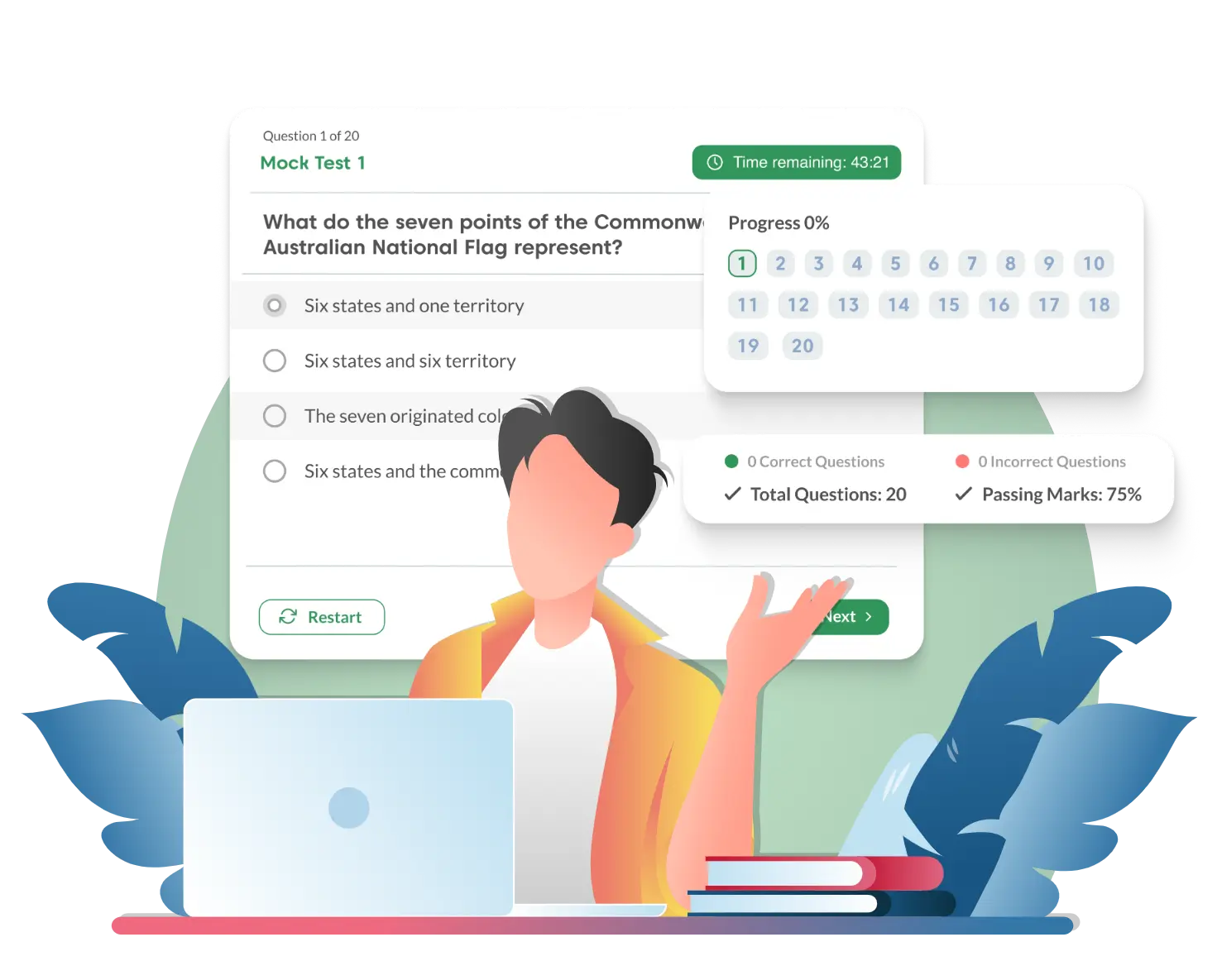
MOCK TEST INTERFACE
20 Questions • 45 Minutes • Pass mark 75% with 5/5 values questions correct
You do not need to register, pay, or enter any personal details to start this mock test. Simply click the button above and begin when you are ready.
After submission, you receive immediate detailed results. The mock exam provides instant feedback to help you identify your strengths and weaknesses before the real test.
Not Ready Yet? Complete Your Study Guide First
Before you rely on any mock exam, you should first study the official “Our Common Bond” booklet carefully. Reading the testable content at least once gives you the foundation you need to succeed.
Not ready? Read our step-by-step citizenship test study guide before taking this mock exam.
The study guide covers the four testable parts defined by Home Affairs:
-
Australia and its people
-
Australia’s democratic beliefs, rights and liberties
-
Government and the law in Australia
-
Australian values
Read the preparation guide here to learn how to structure your study time, use the test booklet effectively, and take notes that help you remember key facts.
The separate guide helps you prepare for the test by including:
-
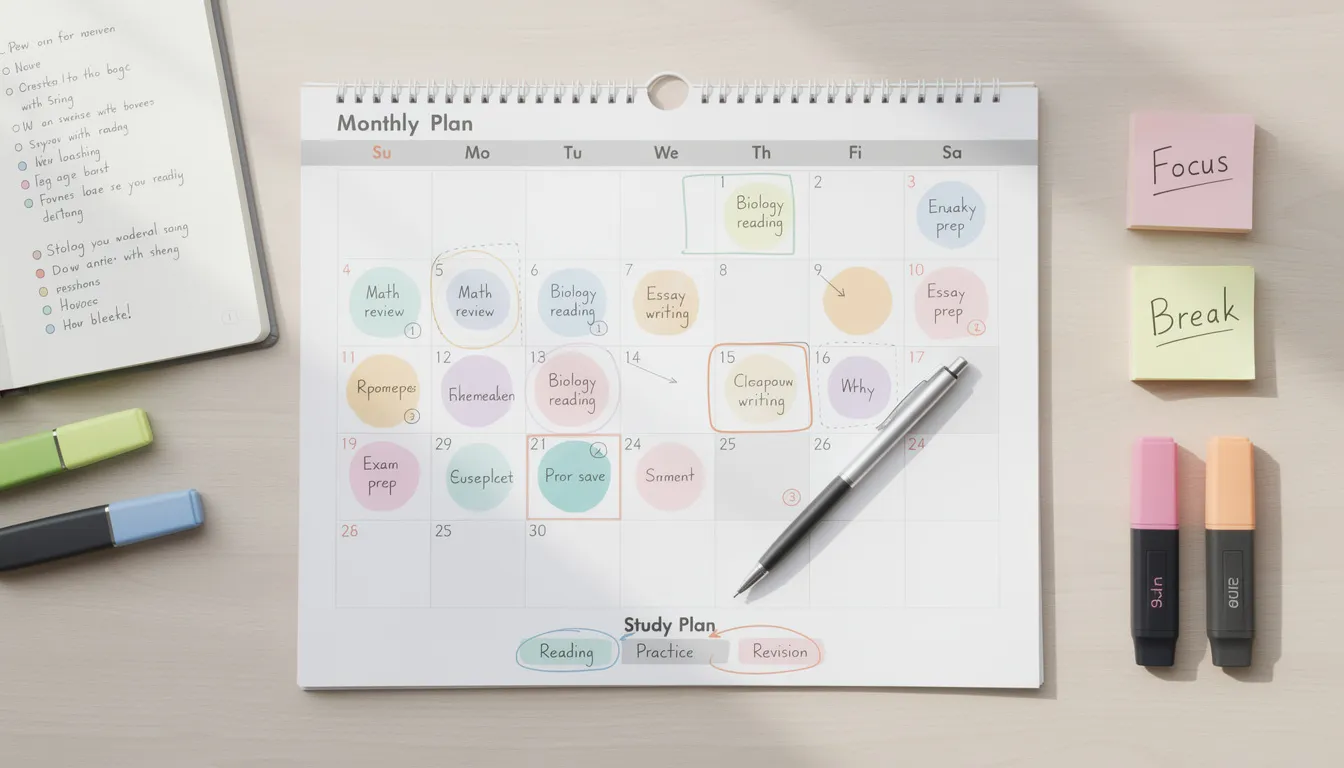
A simple time plan for 2-4 weeks of study
-
How to use the official booklet chapter by chapter
-
Basic note-taking methods that work for busy learners
What Is a Mock Test?
A citizenship test mock exam is a full practice test that copies the real Home Affairs test conditions as closely as possible. It helps you experience the exam before your actual appointment.
The real Australian citizenship test has these features:
| Feature | Official Test | This Mock Test |
|---|---|---|
| Number of questions | 20 | 20 |
| Time limit | 45 minutes | 45 minutes |
| Format | Computer-based multiple choice | Computer-based multiple choice |
| Language | English only | English only |
| Pass mark | At least 75% (15/20 correct) | At least 75% (15/20 correct) |
| Values questions | 5 (all must be correct) | 5 (all must be correct) |
This mock test includes exactly 20 questions, a visible 45-minute countdown timer, and single-click answer selection similar to the official test interface.
The mock exam simulates real conditions. There are no hints during the test. Each question has only one correct answer. You will not see correct answers until after you submit the entire test.
This mock exam is based on the official “Australian Citizenship: Our Common Bond” booklet. Using the new test booklet ensures you are studying the most current material for the citizenship test.
After submission, you receive immediate detailed results. These include your overall score, a clear pass or fail message, and a topic breakdown across the four “Our Common Bond” testable parts, including your performance on Australian values questions.

Why Take Mock Tests?
Mock tests are most useful in the final stage of preparation. Use them after you already understand the main ideas in “Our Common Bond” and can answer basic practice questions.
Here is why mock exams matter:
-
Confidence building: Doing several timed mock exams helps you feel familiar with the question style, the on-screen format, and the pressure of the timer. When you see similar questions on test day, you will feel more prepared.
-
Time management practice: You can practise answering 20 questions within 45 minutes. Most people finish within 15-20 minutes, which leaves time to review answers and check values questions twice.
-
Anxiety reduction: Repeated mock tests in quiet, exam-like conditions reduce fear of the unknown. When you have sat many practice tests, the real exam feels less scary and your nerves stay under control.
-
Readiness assessment: Your mock test results help you decide whether you are ready to keep your Department of Home Affairs appointment. If you consistently pass, you can book with confidence. If not, you know exactly what to study next.
-
Supplement to study, not replacement: Mock exams should always be used together with careful study of the official booklet. Reading “Our Common Bond” teaches you the content. Mock tests show you whether you can recall that content under pressure.
How This Mock Test Works
This mock test copies the official format but also adds helpful feedback after you finish. You experience the real exam conditions during the test, then receive detailed guidance afterwards.
All questions are based on the testable content of “Australian Citizenship: Our Common Bond”. This includes sections on Australian values, people australia's democratic beliefs, rights and liberties, and government and the law in Australia.
The flow is simple:
Start → Answer 20 questions → Submit → See results → Review explanations → Plan next steps
Test Features
The mock exam shows a 45-minute countdown timer in the corner of your screen. When only 5 minutes remain, the timer turns red. This copies the feeling of the official test time limit and helps you manage your pace.
Questions are mixed from all four testable parts of “Our Common Bond”:
-
Australia and its people (Australian history, the first fleet, first free settlers, ANZAC Day, the Australian Aboriginal flag, national symbols, national anthem, and more)
-
Australia’s democratic beliefs, rights and liberties (freedom to peacefully protest, treated equally under law, religious laws do not replace Australian law)
-
Government and the law in Australia (Australian Parliament, prime minister, governor general, state premiers, Australian constitution, how bills passed become law. Australians have the right to vote for any candidate, not just those from the same political party, as part of the democratic process.)
-
Australian values (respect, freedom of same religion, mutual respect, equality)
At least 5 questions are clearly marked as values questions. You must answer all 5 correctly to “pass” the mock test, just like the real exam.
Each question displays three options (A, B, C) with radio buttons. This matches the official test’s three multiple-choice options format.
The interface allows simple navigation:
-
“Next” and “Previous” buttons to move through questions
-
A small question number grid (1-20) so you can jump back to any question before submitting
-
An on-screen reminder that you can change answers any time before pressing “Submit Mock Test”
There are no penalties for incorrect answers. Unanswered questions count as incorrect. If you are unsure, always guess rather than leaving a blank.
After You Finish
After pressing “Submit Mock Test”, you see a clear summary screen. This shows your total score (number correct out of 20) and a simple pass or fail message.
The pass criteria match the official test:
-
At least 15 correct answers out of 20 (75%)
-
All 5 values questions answered correctly
The results summary includes a visual topic breakdown:
| Topic Area | Your Score |
|---|---|
| Australia and its people | X/Y correct |
| Australia’s democratic beliefs, rights and liberties | X/Y correct |
| Government and the law in Australia | X/Y correct |
| Australian values | X/5 correct |
Each question is then shown again with:
-
Your answer
-
The correct answer highlighted
-
A short, easy-English explanation linked to the “Our Common Bond” booklet
Values questions are clearly tagged (for example, “Values question 3/5”) so you can see exactly which values items you missed.
The results screen displays simple improvement advice:
-
“Review the ‘Government and the law in Australia’ chapter if you scored less than 70% in this area.”
-
“Re-read the Australian values section in ‘Our Common Bond’ if you missed any values questions.”
At the bottom, you find two buttons:
-
Retake a New Mock Test – attempt another full exam
-
Return to Study Guide – go back to revision materials
When to Take Mock Tests
Mock exams are most effective after you finish at least one careful reading of the testable parts of “Our Common Bond”. Starting mock tests too early can be frustrating because you have not learned the content yet.
Here is a recommended timeline:
Week 1: Focus on reading the booklet. Use citizenship practice test questions by topic to check understanding of each chapter. Do not attempt full mock exams yet.
Week 2 onwards: Begin using full 20-question mock tests. By now, you should be able to answer simple practice questions from the booklet without looking at the answers.
Spacing strategy:
-
Early stage (Week 2-3): One mock every 2-3 days
-
Final week before test: One mock per day
-
Adjust based on how tiring you find each exam
You should aim to complete at least 5 full mock tests before the real appointment. This builds consistency rather than relying on one lucky high score.
Final mock timing:
-
Sit one “final mock” 2-3 days before your official citizenship test appointment
-
Use strict exam-like conditions (quiet room, no notes, full 45 minutes)
-
After this final mock, focus on light review rather than heavy testing
Avoid doing a late-night mock test the day before the real exam. Instead, focus on sleep, light review of values, and relaxation. A rested mind performs better than an exhausted one.
How to Interpret Your Results
Mock test scores are a tool to guide your study. They are not a judgement of your worth or your future as an Australian citizen. Everyone starts somewhere, and improvement is what matters.
After every mock, look at three things:
-
Overall score (number correct out of 20)
-
Whether all values questions were correct
-
Which topic areas were weakest
It is normal for your first mock exam score to be lower than you hope. Improvement across several tests is more important than one single result.
If You Pass
A “pass” in this mock test means:
-
You scored at least 15 out of 20 overall
-
You correctly answered all 5 Australian values questions
This matches the Department of Home Affairs requirements for the real exam.
However, if you pass once but only just meet the minimum (for example, 15 or 16 correct), keep doing more mock tests. Aim for consistent scores of 17 or more before feeling fully prepared.
What to do after passing:
-
Continue taking mock exams until you pass 3-5 in a row
-
Make sure values performance is strong in all attempts
-
Shift focus to light review of weak topics
-
Check test-day routines: sleep, transport, identification documents
Review every explanation, even when you pass. This helps correct any lucky guesses and strengthens your understanding of Australian democratic beliefs and values.
A strong run of mock results boosts confidence. Knowing you can pass consistently reduces anxiety before the real test at a Department of Home Affairs office.
If You Fail
“Failing” a mock test means either:
-
Scoring below 15 correct answers, or
-
Getting one or more Australian values questions wrong (even if your total is 75% or higher)
This is safe and private. A mock does not affect any application or your permanent residents status. It only shows you where to improve.
Do not panic if you fail early mocks. Treat the result as a learning map that shows where to focus your next study session.
Adjustment strategy:
-
Check which of the five values questions were incorrect
-
Immediately re-read the Australian values section in “Our Common Bond”
-
Pay attention to respect for the law, equality, freedom, and mutual respect
-
Spend 30-45 minutes revising your weakest topic from the breakdown
-
Then attempt another full mock exam
Track your scores across several mocks. Use a simple notebook or spreadsheet:
| Date | Score | Values (X/5) | Problem Topics |
|---|---|---|---|
| 1 May | 13/20 | 4/5 | Government, Values |
| 3 May | 16/20 | 5/5 | Government |
| 5 May | 18/20 | 5/5 | None |
Many people improve from a failing score to a strong pass within a short period. The key is using mock results to guide focused revision.
Mock Test Strategy Tips
How you use the mock exam is just as important as how many times you take it. Simulating real conditions is the key to getting useful practice.
Simulate real conditions:
-
Sit at a desk in a quiet room
-
Put your phone on silent or in another room
-
Do not use the “Our Common Bond” booklet or any notes during the mock
-
Use a computer or tablet if possible, since the real exam is computer based
Take the test seriously:
-
Wear a watch and time the full 45 minutes
-
Do not pause the mock for any reason
-
Copy the feeling at a Department of Home Affairs test centre as closely as you can
Read carefully:
-
Read each question and all three options slowly
-
Watch for words like “must”, “can”, and “always”
-
Avoid rushing to pick the first answer you notice
-
For values questions, think about what matches Australian society and Australian values
Use time wisely:
-
If a question feels difficult, choose the best answer you can and move on
-
Mark difficult questions and come back later if time remains
-
Do not get stuck on one question while others wait
Review routine after each mock:
-
Note every question you guessed or felt unsure about
-
Open the “Our Common Bond” booklet to that topic
-
Re-read the relevant section immediately while the question is fresh in your mind
Anxiety-reduction habits:
-
Take a few deep breaths before starting the mock
-
Relax your shoulders during the test
-
Remind yourself this is practice and a safe place to make mistakes
-
Think of each mock as a learning opportunity, not a pass-or-fail moment

How Many Mock Tests Should You Take?
Most learners should plan to complete at least 5 full 20-question mock exams before the real Australian citizenship test. This comes after finishing the main study of “Our Common Bond”.
Some people may benefit from 8-10 mocks if they:
-
Feel very anxious about tests
-
Have low scores on their first few attempts
-
Want extra confidence before their appointment
Others with strong background knowledge or high English language skills might need fewer attempts.
Simple benchmark:
Keep taking mock exams until your scores are regularly 17-20 correct out of 20, with 5/5 values questions correct in at least your last 3 attempts.
| Readiness Level | Mock Test Performance |
|---|---|
| Not ready | Below 15/20 or missing values questions |
| Getting ready | 15–16/20 consistently |
| Ready | 17–20/20 with 5/5 values, multiple tests in a row |
| Fully prepared | 18–20/20 with 5/5 values, at least 5 mocks passed |
Avoid doing too many mocks in one day. Spread them out to prevent tiredness and keep your attention high. One focused mock test with proper review teaches you more than three rushed attempts without reflection.
Your next step:
Start your first mock test now using the button at the top of this page. Then schedule your next mock in your calendar for 2-3 days from now.
Steady, planned practice works better than last-minute cramming. Each mock you complete brings you closer to walking into your citizenship interview with confidence.
The path to becoming one of the Australian citizens who pass first time starts with preparation. You already have all the information you need in the official booklet and this mock exam. Now it is time to put that knowledge to the test. Successful applicants are eligible to apply for an Australian passport as proof of citizenship.
Good luck with your preparation for Australian citizenship. Take your mock test now and see where you stand.
Key facts often tested in the citizenship exam include: knowing Australia's national flower (the golden wattle), understanding the meaning of official symbols and their use on Commonwealth property, the formation of the Australian federation and the role of the Australian Commonwealth, Australia's system of government and its constitution, the historical connection to Great Britain, the significance of Sydney Cove in Australian history, and the role of the New Zealand Army Corps (NZAC) at Gallipoli. Reviewing these topics will help you be fully prepared for your citizenship test.
Citizenship Interview
The citizenship interview is a crucial step in the process of becoming an Australian citizen. During this interview, you will be asked about your application and your understanding of Australian values, history, and government. The interview also provides an opportunity to demonstrate your English language skills and your commitment to joining Australian society.
To prepare for the citizenship interview, it’s important to practice answering questions about your background, as well as questions related to Australian values, rights, and responsibilities. Using the Australian citizenship practice test is an excellent way to build your confidence and ensure you are ready for any questions that may arise. Mock interviews and practice tests help you become comfortable with the interview format and allow you to review key topics such as the Australian Constitution, government structure, and important historical events.
By preparing thoroughly and practicing your responses, you’ll be able to approach the citizenship interview with confidence, showing that you are ready to become an active and informed member of the Australian community.
Download Citizenship Guide
Start with the Australian Citizenship – Our Common Bond booklet. It covers Australia’s history, values, and government. Read it online, download it, or get a printed copy.
Download
Use Free Practice Tests Online
The official guide has few questions — that’s why most people use online tests. Get unlimited free practice tests to check your knowledge and prepare with real exam-style questions.
Free Practice
Perfect Your Score
Practice makes perfect! The more you study and test yourself, the more confident you’ll be on exam day. Master every topic easily with our Free Australian Citizenship Practice Tests.
Progress Track