Preparing for the Australian citizenship test can feel overwhelming, especially if English is not your first language. The good news is that with the right study plan and resources, most candidates pass on their first attempt.
How can a Welcome to Country be performed?
The Acknowledgement of Country usually delivered as part of:
Who usually delivers the Acknowledgement of Country at meetings or events?
When is a "Welcome to Country" usually held during an event?
Who can deliver an Acknowledgement of Country?
In Aboriginal or Torres Strait Islander cultures, what is usually the first item to open an event?
Why do Aboriginal or Torres Strait Islander people perform a Welcome to Country?
What does an Acknowledgement of Country pay respect to?
Which of the following is true for a Welcome to Country?
Who can deliver a Welcome to Country?
What does an Acknowledgement of Country recognise?
Not enough to pass :-(
You have answered 0 correct out of 11 question(s).
What's Next?
Review your answers
See which answers you chose and what the correct answers are.
Study Guide
Review all the correct answers.
Question: {counter}
{question}
- {options}
 Follow a clear, step-by-step study plan that shows exactly what to focus on and when to start.
- Prepare using official Our Common Bond materials combined with realistic practice questions.
- Build confidence by practising the right topics in the right order before your citizenship test.

- 1. How Much Time Do You Need?
- 2. The Only Study Resource You Need: Our Common Bond
- 3. 4-Week Study Plan (Step-by-Step)
- 4. Alternative Study Plans
- 5. Effective Study Techniques
- 6. Common Study Mistakes to Avoid
- 7. Improving English for the Test
- 8. When to Start Studying
- 9. How to Know You’re Ready
- 10. Introduction to the Test
- 11. Eligibility and Application Process
- 12. Australia Citizenship Test Requirements
- 13. Test Format and Questions
- 14. Test Day and Results
This complete guide will walk you through everything you need to know about how to prepare for the citizenship test. You will learn how much time to set aside based on your English level, how to use the official study booklet effectively, and how to avoid common mistakes that trip up many test takers.
Whether you have two weeks or six weeks before your test date, you will find a step-by-step plan that works for your situation. By the end of this guide, you will know exactly what to study, how to study, and how to tell when you are ready to take the test with confidence. Understanding Australia's history, including its relationship with Great Britain, is a key part of preparing for the citizenship test.

How Much Time Do You Need?
The amount of preparation time you need for the Australian citizenship test depends mainly on your English level and how familiar you are with Australian life. Most applicants need between 10 and 30 hours of focused study to feel confident, though some may need more.
If you have strong English skills and can comfortably read newspapers or work documents, you will likely need 10 to 15 hours of study spread over 1 to 2 weeks. If your English is at an intermediate level (around IELTS 4.5 to 5.0), plan for 20 to 30 hours over 3 to 4 weeks. If you are still building your English language skills, a gentler pace of 4 to 6 weeks with shorter, regular sessions works best.
These estimates assume you are using focused study time with the official “Australian Citizenship: Our Common Bond” booklet and practice questions. Casual reading without note-taking or self-testing will take much longer.
| English Level | Description | Total Study Hours | Suggested Duration | Study Per Day | Best Plan |
|---|---|---|---|---|---|
| Strong English | Comfortable reading newspapers, work emails, and documents in English | 10–15 hours | 1–2 weeks | 1–1.5 hours | 2-week intensive |
| Intermediate English | Can manage daily communication but finds complex texts challenging | 20–30 hours | 3–4 weeks | 45–60 minutes | 4-week standard |
| Developing English | Still learning everyday English and civic words like “election” and “parliament” | 25–35 hours | 4–6 weeks | 30–45 minutes | 6-week extended |
Strong English means you can read a full page of Our Common Bond without stopping to look up many words. You understand the main ideas quickly and can explain them in your own words.
Intermediate English means you can follow conversations about familiar topics and read simple texts, but you may need to slow down for longer sentences or unfamiliar vocabulary.
Developing English means you often need a dictionary or translation app, and you may find it easier to first understand ideas in your first language before reading in English.
People who studied in Australia, work in English-speaking environments, or have lived here for several years may need less time than those who are newly arrived or currently attending English classes.
Remember that these are flexible guides. It is always better to study a bit longer and feel confident than to rush and feel unsure on test day.
Here are some tips for choosing the right plan:
-
Match your study plan to your honest English level, not your hoped-for level
-
Consider your test date and count backwards to decide which plan fits
-
Think about your work and family schedule when planning daily study time
-
If your test is very soon, use the intensive plan with longer daily sessions
-
If your test is months away, start gently now and build up gradually
The Only Study Resource You Need: Our Common Bond
The “Australian Citizenship: Our Common Bond” booklet from the Department of Home Affairs is the only official study resource for the citizenship test. All the test questions are based on the testable sections of this booklet, so it must be the centre of your preparation.
You can get Our Common Bond in several ways. The easiest is to download the free PDF from the official Home Affairs website. You can also request a printed copy through the department, and some community centres and public libraries hold copies for local residents.
The booklet is organised into four main parts:
-
Part 1 – Australia and its people: Covers Australian history, Indigenous Australians, British settlement, and migration
-
Part 2 – Australia’s democratic beliefs, rights and liberties: Explains freedoms, equality, and the rule of law in Australia
-
Part 3 – Government and the law in Australia: Describes how Australian government works at federal, state, territory, and local levels
-
Part 4 – Australian values: Lists the core values that Australians share and that new citizens are expected to uphold
Parts 1 to 3 and the Australian values section contain the testable content. Some additional stories, examples, and background information are included for interest but are not directly tested. The booklet usually explains which sections are testable in its opening pages.
To use Our Common Bond effectively:
-
First, read all testable sections quickly to get the big picture
-
Then, go back and study each section more deeply
-
Underline or highlight key ideas, especially definitions and responsibilities
-
Summarise each chapter in 3 to 5 short sentences using your own words
-
Review your notes regularly using spaced repetition
The Department of Home Affairs also provides an official audio version of Our Common Bond. This is helpful for people who learn better by listening, for those who want to study during travel or commute, and for readers who find long texts tiring. Try listening while following the text to strengthen both listening and reading skills.
Always check the publication date or version number on your copy to make sure you are using the latest edition. Laws and policies can change, so old printed copies or unofficial PDFs may contain outdated information. Download fresh copies from the Home Affairs website to be safe.
Practice tests from other websites can help build confidence and speed, but they should never replace careful reading of the Common Bond booklet. Only the official booklet contains all the information you need, and some third-party materials may have errors or outdated content.
4-Week Study Plan (Step-by-Step)
This 4-week plan is designed for intermediate English speakers who can study 45 to 60 minutes per day, 5 to 6 days per week. It provides a balanced approach that covers all testable parts of Our Common Bond without overwhelming you.
Each week has its own section below with a day-by-day outline and a simple checklist so you know if you are on track. The plan covers Australia and its people, Australian values, democratic beliefs, and government and the law. You will review the values section multiple times because all values questions must be answered correctly to pass.
If you have strong English, you can combine days or switch to the 2-week intensive plan. If you are still building English skills, stretch this plan into the 6-week extended version by spending two weeks on each pair of weeks below.
The study rhythm is simple: read a section, take notes, review yesterday’s notes, then test yourself with questions or flashcards. This pattern uses spaced repetition and active recall, which research shows helps memory.
| Week | Main Focus | Key Tasks | End-of-Week Goal |
|---|---|---|---|
| Week 1 | Test format, Australia and its people, introduction to values | Read overview, study Part 1, start values flashcards | Explain who the First Australians are and what “a fair go” means |
| Week 2 | Australian values and democratic beliefs | Complete values section, study Part 2, create mind maps | List all values from memory and give examples of freedoms |
| Week 3 | Government and the law | Study Part 3, learn three levels of government, take timed mini-tests | Explain how laws are made and why voting is compulsory |
| Week 4 | Revision and practice tests | Full practice tests, targeted revision, final values review | Score 85%+ on practice tests with all values correct |
Week 1 – Get to Know the Test and Australia’s People
This week focuses on understanding the test format, setting up your study tools, and learning about Australia and its people. You will also begin studying Australian values.
Day 1:
-
Visit the citizenship test information page on the Home Affairs website
-
Write down the test rules: 20 multiple choice questions, 75% passing score (15 correct), all 5 values questions must be correct, 45 minutes allowed
-
Skim all headings in Our Common Bond to see the big picture of what you will study
Day 2:
-
Read the “Australia and its people” section slowly (this is testable content)
-
Underline main ideas about Indigenous Australians (the First Australians), British settlement and the First Fleet, and migration to Australia
-
Note 5 to 10 key facts in simple English in your notebook
-
Pay special attention to Australia's history, including the influence of Great Britain on Australia's development and national identity. Understanding how Great Britain shaped Australia's colonial past and its ongoing relationship is important for the citizenship test.
Day 3:
-
Re-read your notes from Day 2
-
Add simple examples to help your memory (for example, “ANZAC stands for Australian and New Zealand Army Corps”)
-
Create 10 to 15 flashcards for important terms like “First Australians,” “ANZAC,” “multicultural society,” and “citizenship ceremony”
Day 4:
-
Read the first half of the Australian values section
-
Focus on values like respect, freedom, equality, and the “spirit of the fair go”
-
Write short real-life examples for each value (for example, “Equality means women and men have the same rights at work”)
Day 5:
-
Listen to the Our Common Bond audio for the sections you studied this week
-
Follow along with the text if possible
-
Pause to repeat difficult sentences aloud to improve pronunciation and memory
Optional Day 6:
-
Do 10 to 15 basic practice questions on “Australia and its people” and values
-
Do not worry about speed yet
-
Review any mistakes by finding the correct answer in the booklet
Week 1 Checklist:
-
[ ] I can explain in my own words who the First Australians are
-
[ ] I understand what “a fair go” means
-
[ ] I know the basic format of the test (number of questions, time limit, pass mark)
-
[ ] I have created at least 10 flashcards for key terms
-
[ ] I have listened to at least one audio section of Our Common Bond
Week 2 – Australian Values and Democracy
This week deepens your knowledge of Australian values and introduces Australia’s democratic beliefs, rights, and liberties. Understanding these topics is essential because the test heavily covers this content.
Day 1:
-
Review your values notes from last week
-
Finish reading the Australian values section carefully
-
Circle any sentences that show what is expected from citizens (for example, obeying the law, respecting others, and treating everyone equally)
Day 2:
-
Start reading “Australia’s democratic beliefs, rights and liberties” in Our Common Bond
-
Focus on ideas like the rule of law, freedom of speech, and equality before the law
-
Write each concept with a simple definition in your notebook
Day 3:
-
Continue reading this section
-
Underline rights such as freedom of religion and freedom of association
-
Note responsibilities such as voting in elections and serving on a jury when called
Day 4:
-
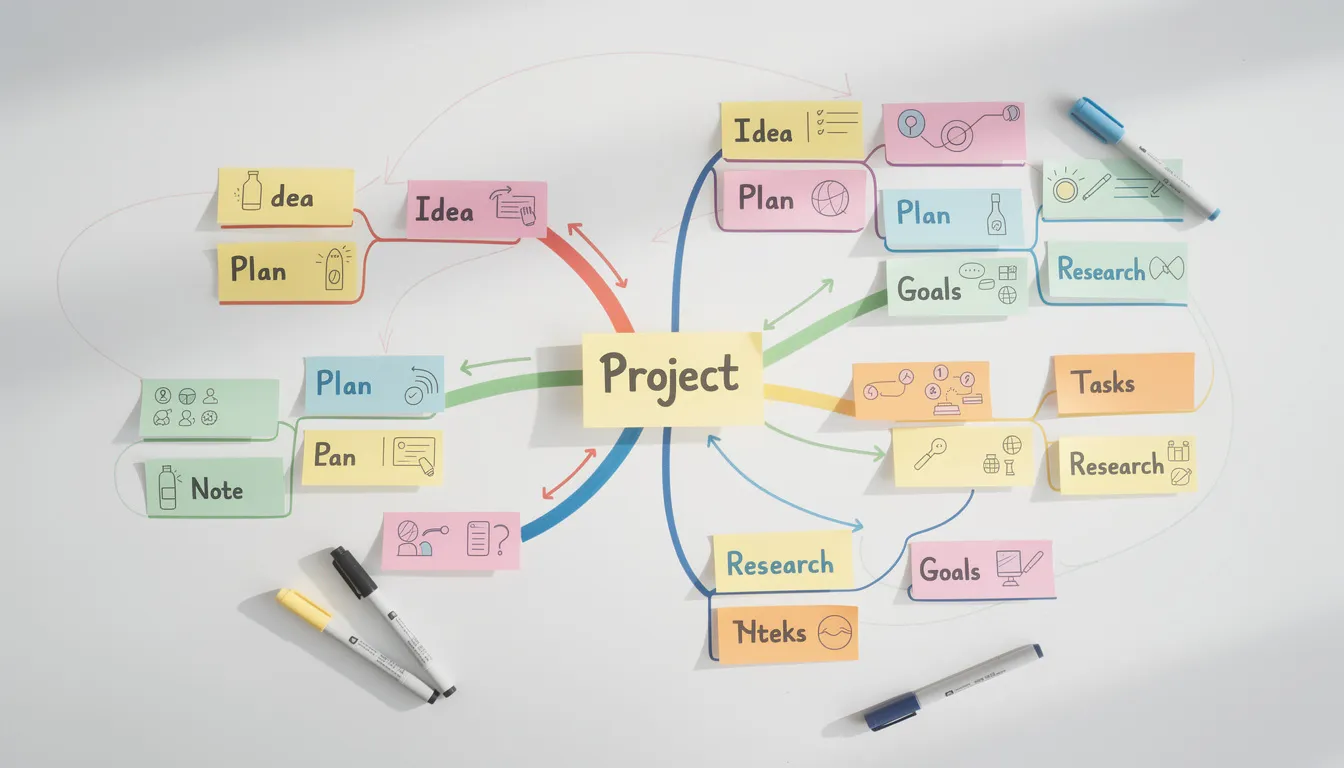
Create a one-page mind map connecting values and rights
-
Put “Australian values” in the centre bubble
-
Draw lines to values like “freedom,” “equality,” and “respect,” with examples for each
-
Add a branch for “responsibilities” connected to voting and jury duty
Day 5:
-
Do a short self-test: close the booklet and write from memory the main Australian values and 5 to 7 democratic beliefs
-
Check your answers in the booklet
-
Correct any mistakes in a different coloured pen so you can see what needs more work
Optional Day 6:
-
Attempt 20 to 25 mixed practice questions on values and democratic beliefs (untimed)
-
After finishing, mark your answers
-
Re-read the relevant parts of Our Common Bond for any incorrect questions
Week 2 Checklist:
-
[ ] I can list the main Australian values from memory
-
[ ] I can give one example of freedom of speech and freedom of association
-
[ ] I understand that rights come with responsibilities
-
[ ] I have created a mind map linking values, rights, and responsibilities
-
[ ] I have completed at least 20 practice questions on these topics
Week 3 – Government and the Law in Australia
This week focuses on how Australia is governed. You will learn about the levels of government, roles of Parliament, the Prime Minister, Governor-General, and High Court, and how laws are made.
Day 1:
-
Read “Government and the law in Australia” section once without taking notes
-
Just underline names, roles, and structures (federal, state/territory, and local government)
-
Notice how government structure affects everyday life
Day 2:
-
Go back and take organised notes
-
Create three short lists for federal, state/territory, and local governments
-
Write 3 to 4 main responsibilities for each level in plain English
| Level of Government | Examples of Responsibilities |
|---|---|
| Federal (national) | Defence, immigration, currency, trade between states |
| State/Territory | Schools, hospitals, police, roads within the state |
| Local (council) | Rubbish collection, local roads, parks, libraries |
Day 3:
-
Summarise how laws are made in the Australian Parliament
-
Use a numbered list in your notes: proposal → reading → debating → voting → Royal Assent
-
Draw simple arrows to show the flow
Day 4:
-
Focus on legal responsibilities of citizens
-
Write notes about obeying the law, voting in federal and state/territory elections, and serving on a jury
-
Add real-life examples (for example, voting on election day, following road rules, paying taxes)
Day 5:
-
Do a mixed mini-test of 20 questions covering values, democracy, and government
-
Set a 30-minute time limit to start building speed and concentration
-
Check your score and identify weak areas
Optional Day 6:
-
Listen again to the Our Common Bond audio for government and law
-
Follow along with your notes
-
Pause to correct or expand anything you did not understand clearly
Week 3 Checklist:
-
[ ] I can explain the three levels of government and give at least two responsibilities for each
-
[ ] I understand how a law passes through Parliament
-
[ ] I know why voting is compulsory in Australia
-
[ ] I have completed a timed mini-test of 20 questions
-
[ ] I can explain the roles of the Prime Minister and Governor-General
Week 4 – Revision, Practice Tests and Test Readiness
This final week focuses on revision, full practice tests under test-like timing, and checking if you are ready to sit the real test. The goal is to build confidence and identify any remaining weak spots.
Day 1:
-
Review all notes and flashcards from Weeks 1 to 3
-
Spend extra time on parts where you felt unsure
-
Rewrite any messy notes into one clear summary page per topic
Day 2:
-
Take a full 20-question Australian citizenship practice test in one sitting
-
Set a 45-minute timer and sit at a desk without distractions
-
After finishing, calculate your score and list which topics you missed
Day 3:
-
Return to Our Common Bond and re-read only the sections related to missed questions from Day 2
-
Create 5 to 10 new flashcards targeting those weak spots
-
Review these cards twice during the day
Day 4:
-
Complete a second full citizenship practice test under timed conditions
-
Try to answer steadily and calmly
-
Focus on reading questions carefully, especially values questions
Day 5:
-
Do targeted revision on Australian values and democratic beliefs
-
Remember: all values questions must be correct in the actual test
-
Practise explaining each value in your own words aloud
Optional Day 6:
-
Short “mock test day” rehearsal
-
Go to bed early the night before
-
Prepare your documents list (ID, test appointment letter)
-
Do a 10-question warm-up in the morning, then stop studying to rest your mind
Week 4 Checklist:
-
[ ] I can score at or above 90% on practice tests twice in a row
-
[ ] I can answer all values questions correctly on practice tests
-
[ ] I feel calm because I know the format and my weak areas are smaller now
-
[ ] I know what documents to bring to the test
-
[ ] I have rested well and feel ready
Alternative Study Plans
Some readers have very strong English or limited time before their test, while others are still building English skills and need a slower, gentler approach. The following sections provide a 2-week intensive plan and a 6-week extended plan.
Both alternative plans are still based on Our Common Bond and cover the same core topics: values, democracy, Australia and its people, and government and the law. The difference is in pacing and daily time commitment.
Choose the plan that matches your English level and life situation. Do not try to copy a friend’s plan or rush because of pressure. A realistic plan that you can actually follow is better than an ambitious plan you abandon after a few days.
Strong English readers can use more active recall and longer practice tests. Developing English readers should spend more time on vocabulary building and listening to the audio version of the booklet.
No matter which plan you choose, do not skip the Australian values section. This content is essential for passing because you must answer all values questions correctly.
2-Week Intensive
This plan works best for strong English users (IELTS 6.0 or higher, or people who studied in English) who can study 1.5 to 2 hours per day for 14 days.
Week 1:
-
Days 1 to 4: Combine “Australia and its people” with the full Australian values section
-
Days 5 to 7: Study “Australia’s democratic beliefs, rights and liberties”
-
Daily quick reviews of previous day’s notes (15 to 20 minutes)
Week 2:
-
Days 1 to 4: Cover “Government and the law in Australia”
-
Days 5 to 7: Do at least one full timed practice test per day plus targeted revision of any missed topics
Each study session should include:
-
30 to 40 minutes reading Our Common Bond
-
20 to 30 minutes making or reviewing notes and flashcards
-
30 to 40 minutes of practice questions or self-testing
If you are using this plan, skip translation into your first language. Instead, explain ideas in simple English, which better matches the test environment and builds your confidence with English civic vocabulary.
Readiness check for this plan:
-
Pass two practice tests in a row with scores of 18 to 20 correct
-
Answer all values questions correctly on both tests
-
Feel confident explaining key concepts without looking at notes
6-Week Extended
This plan is ideal for developing English learners, busy parents, shift workers, or anyone who prefers shorter daily sessions (30 to 45 minutes) over a longer period.
Weeks 1 to 2:
-
Focus only on “Australia and its people” and the first half of Australian values
-
Read very slowly, building vocabulary lists as you go
-
Listen frequently to the Our Common Bond audio
-
Aim for 5 to 10 new civic vocabulary words each study day
Weeks 3 to 4:
-
Study the rest of Australian values and most of “Australia’s democratic beliefs, rights and liberties”
-
Use repetition and simplified summaries
-
Ask for help from family, friends, or teachers when you find difficult concepts
Weeks 5 to 6:
-
Work through “Government and the law in Australia”
-
Begin light practice tests, starting untimed
-
Gradually introduce time limits in the final days
-
Review all topics with flashcards and self-testing
Build a personal civic vocabulary notebook during this plan. Add 5 to 10 new words each study day with translations or simple English definitions and example sentences. This notebook becomes a valuable resource for revision.
Combine citizenship study with English practice by reading Our Common Bond aloud, discussing topics in English with a friend, or using AMEP or TAFE classes to review content with a teacher.
Effective Study Techniques
How you study is as important as how long you study. Using evidence-based learning techniques helps you remember information better, reduces stress, and makes your study time more productive.
Spaced Repetition:
-
Review information after longer and longer gaps (for example, Day 1, Day 3, Day 7, Day 14)
-
Schedule short review sessions rather than cramming everything the night before
-
Use a simple calendar or phone reminders to schedule your reviews
-
Each time you review, the memory becomes stronger
Active Recall:
-
Close the book and try to remember facts or explain ideas from memory
-
Write questions like “What are the three levels of government?” and answer without looking
-
Check your answer against Our Common Bond afterwards
-
This technique is more powerful than simply re-reading the same pages
Mind Mapping:
-
Draw a central topic (like “Australian values”) on a blank page
-
Add branches for each main value or concept
-
Use small words or simple symbols to keep diagrams clean and not crowded
-
Mind maps help you see connections between related ideas
Flashcards:
-
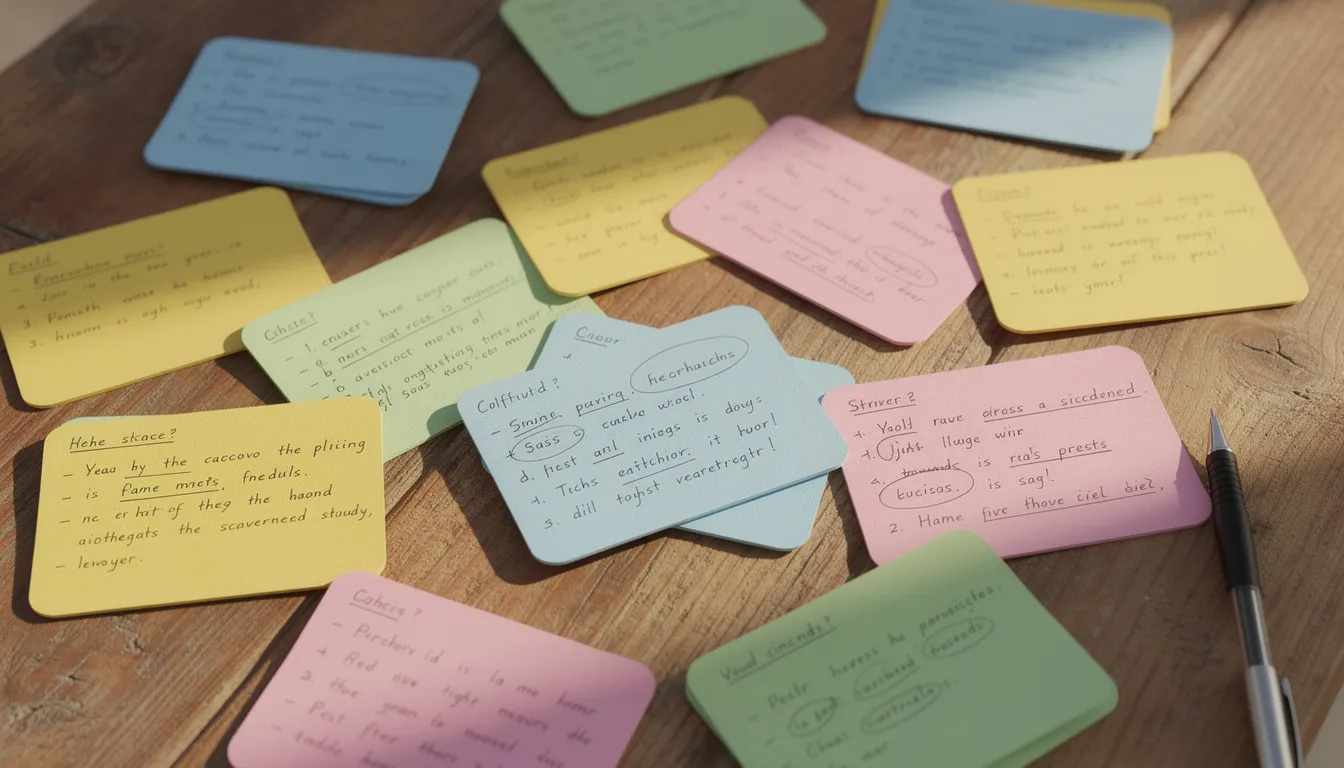
Write one question on the front and a short answer on the back
-
For example: front says “What is compulsory voting?” and back says “All citizens must vote in federal and state elections”
-
Review cards daily in small sets of 10 to 15
-
Move cards you know well to a “less often” pile and keep difficult cards in the “daily” pile
Study Partners:
-
Study with a friend, family member, or classmate if possible
-
Take turns asking each other questions and explaining topics aloud
-
Use English during these sessions to practise for the test environment
-
Teaching someone else is one of the best ways to learn
Mix Learning Styles:
-
Combine reading, listening to audio, speaking answers aloud, and writing summaries
-
Visual learners benefit from diagrams and highlighting
-
Auditory learners benefit from the audio version and speaking aloud
-
Kinaesthetic learners benefit from writing notes and creating flashcards
Take Short Breaks:
-
Study for about 25 minutes, then take a 5-minute break
-
Stand up, stretch, drink water, or look out the window
-
Return fresh for another 25-minute session
-
Short breaks prevent fatigue and help information settle in your memory
Common Study Mistakes to Avoid
Many candidates fail or feel anxious not because they are unable to pass, but because they use unhelpful strategies or focus on the wrong things. Avoiding these common mistakes can save time, improve your score, and make preparation less stressful.
Studying Only History and Symbols
Some people spend most of their time memorising dates, flags like the Australian Aboriginal flag, famous places, and the capital city of each state. While this knowledge is useful, the test also heavily covers values, democracy, and how government works.
Our Common Bond includes stories about Australia’s history and background information that are interesting but not all directly tested. Focusing only on these areas can leave gaps in vital topics.
The test questions draw from all testable parts, with special emphasis on Australian values and government and the law.
Do this instead:
-
Divide study time roughly equally among Australia and its people, Australian values, democratic beliefs, and government
-
Use a simple study checklist based on Our Common Bond headings
-
Make sure no major topic is forgotten
-
Study history and symbols, but only after understanding values, rights, and responsibilities well
Not Practising Under Timed Conditions
Many candidates know the content well but feel surprised by the 45-minute time limit. They become nervous, rush through questions, or run out of time.
Practice without a timer helps at the beginning, but you need at least 2 to 3 full mock tests under real timing before the actual test.
Do this instead:
-
Use a phone or kitchen timer set to 45 minutes when doing 20 practice questions
-
Sit at a table, remove distractions (no TV, phone messages, or interruptions)
-
Complete all questions in one sitting to build focus and stamina
-
Review which questions took longest and why, then revise those topics in Our Common Bond
-
Remember that 45 minutes for 20 questions is generous if you read carefully and stay focused
Skipping the Values Section
The test contains five Australian values questions, and all five must be answered correctly to pass. Even if your total score is high, getting one values question wrong means you fail.
Some people think values are “common sense” and do not revise them. However, real questions can be detailed and based closely on the wording in Our Common Bond.
Do this instead:
-
Read the entire Australian values section several times
-
Make personal examples for each value (fairness in sports, respect at work, equality under the law)
-
Discuss these values with friends or family in English to understand them deeply
-
Do extra practice questions only on values until you can answer them quickly and confidently
-
Remember that understanding values also helps you participate well in Australian society
Using Outdated or Unofficial Materials
Laws, policies, and test formats can change over time. Very old guides or unofficial summaries may no longer match the current test.
Only the latest “Australian Citizenship: Our Common Bond” booklet and official Department of Home Affairs information should be trusted as your main source.
Do this instead:
-
Check the publication date or version number on any printed or downloaded copy
-
Compare your copy with the version on the Home Affairs website
-
Be cautious with apps, social media posts, or commercial courses that do not clearly state they use current Our Common Bond content
-
Use third-party mock exams and practice tests only as extra tools
-
Always return to the official booklet when there is a difference or confusion
-
Ask at libraries, AMEP classes, or community centres if you are unsure whether your materials are current
Cramming the Night Before
Trying to learn the whole booklet in one or two long nights creates stress and poor memory. This is especially difficult for people studying in a second language.
The brain remembers information better when it is learned and reviewed over days and weeks, not in one rush.
Do this instead:
-
Finish heavy study at least one day before the test
-
Use the last day only for light revision of notes and values
-
Prepare your documents and plan your travel time to the test centre
-
Sleep well the night before
-
Do a short 10-question warm-up on test morning rather than a study marathon
-
Start studying from the moment your test invitation arrives, even if the date seems far away
-
Trust that a calm, rested mind usually performs better than a tired one filled with last-minute facts
Improving English for the Test
The citizenship test is conducted in English only, so adequate knowledge of written English helps you read questions correctly and choose the correct answer. The following sections cover the English level needed, important civic vocabulary, free support programs, and practical study strategies.
Improving your English for the test will also help with work, study, and everyday life in Australia. These skills benefit you long after you become an Australian citizen.
English Level Needed
An approximate English level of IELTS 4.5 to 5.0, or similar, is usually enough to read and understand Our Common Bond and answer test questions correctly.
In plain language, this means you can:
-
Understand main ideas in clear, standard English
-
Read short texts about common topics without major difficulty
-
Write simple sentences
-
Follow conversations about familiar matters
People below this level may still pass but will likely need more time, support from English classes, and extra practice with vocabulary from the booklet.
Simple self-check: Try reading one full page of Our Common Bond. If you understand less than half without a dictionary, consider focusing first on improving your English while studying citizenship content.
Do not wait until your English is “perfect” before starting. Combine citizenship study with general English learning. Tell your English teacher (if you have one) that you are preparing for the citizenship test so lessons can include citizenship topics.
Civic Vocabulary
Our Common Bond uses many civic words that may be new to some readers. Words like “referendum,” “Senate,” and “jury duty” can cause confusion in test questions if you do not know them.
Create a personal vocabulary list or table with columns for the word, its simple English meaning, an example sentence, and a translation if helpful.
Here is a sample of common civic vocabulary from Our Common Bond:
| Word | Simple Meaning | Example Sentence |
|---|---|---|
| Parliament | The group of elected people who make laws | The Parliament meets in Canberra to discuss new laws. |
| Constitution | The main rules for how Australia is governed | The Australian Constitution sets out how the government works. |
| Citizen | A person who belongs to a country with full rights | An Australian citizen can vote and apply for an Australian passport. |
| Democracy | A system where people choose their leaders by voting | Australia is a democracy where all citizens can vote. |
| Referendum | A vote by all citizens to change the Constitution | A referendum is needed to change the Australian Constitution. |
| Jury | A group of citizens who decide if someone is guilty in court | Citizens may be called to serve on a jury. |
| Electorate | An area represented by one member of Parliament | Each electorate elects one person to the House of Representatives. |
| Senate | The upper house of the Australian Parliament | The Senate reviews laws passed by the House of Representatives. |
| Federal | Relating to the national government | The federal government is responsible for defence and immigration. |
| Local council | The government for a local area | The local council collects rubbish and maintains parks. |
| Compulsory | Required by law; you must do it | Voting is compulsory for all Australian citizens. |
| Pledge | A serious promise | New citizens make a pledge at the citizenship ceremony. |
| Liberty | Freedom | Australians value liberty and freedom of speech. |
| Equality | Being treated the same as others | Equality means everyone has the same rights under the law. |
| Responsibility | Something you must do or take care of | Obeying the law is a responsibility of all citizens. |
Review this vocabulary 3 to 4 times per week using spaced repetition. Say words aloud and write short example sentences.
Focus first on words that appear many times in the booklet and in practice questions. Notice these words in news reports, government websites, and information from schools or councils to strengthen your understanding.
Free Resources
Many free resources in Australia support both English learning and citizenship preparation.
Adult Migrant English Program (AMEP):
-
A government-funded program offering free English classes to eligible migrants and humanitarian entrants
-
Ask your local AMEP provider about using citizenship materials in class
-
AMEP Online citizenship modules use characters, storylines, and interactive activities to help learners engage with Our Common Bond content
TAFE and Community Colleges:
-
Some offer low-cost or free English and civics classes
-
These can help with reading Our Common Bond and practising discussion of values
-
Check your local TAFE for citizenship preparation support
Public Libraries:
-
Many hold copies of Our Common Bond
-
Offer quiet study spaces and free internet access
-
Sometimes run conversation groups or citizenship information sessions
-
Librarians can help you find suitable materials
Official Government Websites:
-
The Department of Home Affairs citizenship pages have reliable information about the test
-
You can find links to the booklet, audio version, and citizenship interview information
-
This is always the most up-to-date and trustworthy source
Be careful with random online resources. Always compare any advice or practice questions with the official Our Common Bond content.

Study Strategies
English improvement for the test does not need to be separate from test study. Both can happen at the same time using Our Common Bond as your main reading material.
Reading Practice:
-
Read one short section of the booklet aloud each day
-
Underline unknown words and look them up afterwards
-
Re-read the same section to check your understanding improved
Writing Practice:
-
After reading a section, write 3 to 5 short sentences in English summarising what you learned
-
Compare your summary with the booklet to see if you captured the main ideas
-
This builds both English skills and test knowledge
Speaking Practice:
-
Tell a friend, family member, or classmate in English what you studied that day
-
Explain concepts like compulsory voting or the three levels of government
-
Speaking aloud helps ideas stick in your memory
Listening Practice:
-
Use the Our Common Bond audio regularly
-
Sometimes listen without looking at the text to test your listening
-
Sometimes follow along with the text to connect written and spoken forms
Using Your First Language:
-
It is fine to quickly check a translation for a difficult word
-
But try to answer practice questions and make notes in English
-
This prepares you for the test, which is in English only
When to Start Studying
The best time to start studying is as soon as you receive your citizenship test invitation or when you know the test is likely within the next few months.
For most people with intermediate English, starting 4 to 6 weeks before the test date is realistic and reduces stress. Strong English users may manage with 2 to 3 weeks, while developing English learners should allow even longer.
Do not wait until you have a confirmed test appointment if you know your Australian citizenship application is progressing. Gentle early reading of Our Common Bond can begin anytime. Familiarity with the content will make later focused study much easier.
People with developing English should start reading and listening to the booklet as soon as they decide to apply for Australian citizenship. A 6-week or even longer approach works best when combined with English improvement.
Building a simple study calendar:
-
Mark your test date (or expected test date) on a calendar
-
Count backwards to today and see how many weeks you have
-
Choose the appropriate study plan (2-week, 4-week, or 6-week)
-
Schedule weekly goals using the plan outlines in this guide
-
Block out study time in your daily schedule, treating it like an appointment
Consider your work schedule, family duties, and other commitments when planning. Consistency matters more than long marathon sessions. Short, regular study is better than occasional cramming.
How to Know You’re Ready
Feeling ready is not only about how many hours you studied. It is about how well you can recall and use the information from Our Common Bond when answering questions under time pressure.
Objective signs of readiness:
-
Regularly scoring 85 to 90 percent or higher on practice tests
-
Always answering all values questions correctly
-
Understanding why each correct answer is right, not just guessing
-
Completing full practice tests within the 45-minute limit comfortably
Self-check questions to ask yourself:
-
Can I explain Australian values to a friend in simple English?
-
Can I describe the three levels of government and give examples of their responsibilities?
-
Do I understand my rights and responsibilities as an Australian citizen?
-
Can I explain how laws are made in the Australian Parliament?
-
Do I know why Anzac Day is important to Australians?
Do at least two full practice tests under timed conditions in the week before your test. Check that your scores are stable or improving, not dropping. If you pass the Australian citizenship practice test confidently twice in a row, you are likely ready.
If your practice scores are low or very mixed, consider extending your study period. Switch to the 6-week plan instead of rushing to the test while unprepared. It is better to delay a few weeks and pass than to fail and need to retest.
Preparing to become an Australian citizen is a meaningful step. Careful use of Our Common Bond, a realistic study plan, and steady practice give you an excellent chance to pass on your first attempt.
Your learning experience with this guide is just the beginning. Download Our Common Bond from the Home Affairs website today, choose the study plan that fits your life, and begin your preparation with confidence. Soon you will be ready to take the test and take the next step toward your citizenship ceremony as a new citizen of Australia.
Introduction to the Test
The Australian citizenship test is a crucial step for anyone wishing to become an Australian citizen. This test is designed to assess your understanding of Australian values, history, government, and the rights and responsibilities that come with citizenship. By taking the citizenship test, you demonstrate your readiness to join the Australian community as a fully participating member.
The test ensures that new citizens have the knowledge needed to contribute positively to Australian society. To help you prepare, resources like the Australian citizenship practice test are available, allowing you to become familiar with the types of questions you’ll encounter and the test format. Whether you are just starting your journey or are close to your test date, practicing with sample questions and reviewing key topics will help you feel confident and prepared for this important milestone in your Australian citizenship journey.
Eligibility and Application Process
Before you can sit the Australian citizenship test, you must meet specific eligibility criteria set by the Department of Home Affairs. Generally, applicants must be between 18 and 59 years old, have lived in Australia as a permanent resident for a certain period, and be of good character. It’s important to check the latest requirements on the Home Affairs website, as rules and processing times can change.
The application process begins with submitting your Australian citizenship application, which includes providing personal details, supporting documents, and evidence of your residency status. Once your application is accepted, you will be invited to attend a citizenship interview and take the citizenship test. The Department of Home Affairs will guide you through each step, from checking your eligibility to booking your test appointment. Make sure to gather all required documents and review the eligibility criteria carefully to ensure a smooth application process and avoid delays.
Australia Citizenship Test Requirements
To pass the Australian citizenship test, you need to show adequate knowledge of Australia’s history, government, laws, and values. The test consists of 20 multiple-choice questions, and you must answer at least 75% correctly to pass. Importantly, all questions on Australian values must be answered correctly, as these are a critical part of the test.
Preparation is key, and the best way to study is by using the “Australian Citizenship: Our Common Bond” booklet. This official resource covers everything you need to know about Australian history, government structure, democratic beliefs, and the rights and responsibilities of citizenship. The booklet is available in several languages and is your main guide to understanding the test content. By studying the Common Bond booklet and practicing with sample questions, you’ll build the knowledge and confidence needed to pass the citizenship test and take the next step toward becoming an Australian citizen.
Test Format and Questions
The Australian citizenship test is a computer-based, multiple-choice exam that you will complete at an official test centre. You’ll have 45 minutes to answer 20 questions, which cover four main areas: Australia and its people, Australia’s democratic beliefs, rights and liberties, government and the law in Australia, and Australian values. The questions are designed to assess your understanding of Australian society, history, and the core values that unite all citizens.
To prepare, it’s helpful to use mock tests and practice questions that reflect the real test format. These practice tools not only help you become familiar with the types of questions you’ll see but also allow you to improve your English language skills and test-taking speed. The test is conducted in English, so practicing reading and understanding questions is essential. By working through sample questions and reviewing the key topics in the Common Bond booklet, you’ll be well-prepared to demonstrate your knowledge of Australia’s laws, values, and history on test day.
Test Day and Results
On the day of your Australian citizenship test, it’s important to arrive early at the test centre and bring all required documents, such as your identification and proof of residency. The test is held in a secure environment, and you won’t be allowed to bring study materials, phones, or other devices into the room.
After you complete the test, your results are usually available soon after. If you pass, you’ll be invited to attend a citizenship ceremony, which is the final step in becoming an Australian citizen. The citizenship ceremony is a special occasion where you make the pledge of commitment and officially join the Australian community. If you don’t pass the test on your first attempt, you can retake it at no extra cost. Use your test results to identify any areas for improvement, and focus your study on those topics before your next attempt. Passing the citizenship test brings you one step closer to enjoying all the rights and responsibilities of being an Australian citizen.
Frequently Asked Questions
Australian Citizenship How to Prepare FAQs
Download Citizenship Guide
Start with the Australian Citizenship – Our Common Bond booklet. It covers Australia’s history, values, and government. Read it online, download it, or get a printed copy.
Download
Use Free Practice Tests Online
The official guide has few questions — that’s why most people use online tests. Get unlimited free practice tests to check your knowledge and prepare with real exam-style questions.
Free Practice
Perfect Your Score
Practice makes perfect! The more you study and test yourself, the more confident you’ll be on exam day. Master every topic easily with our Free Australian Citizenship Practice Tests.
Progress Track